
Small Kitchen, Big Impact: Clever Design Hacks for Compact Spaces
In today’s homes, kitchens are expected to do more with less. Urban living, renovations of older properties, and growing demand for efficient layouts mean that compact kitchens are increasingly common. While limited square footage can feel restrictive, smart design choices can transform even the smallest kitchen into a highly functional, stylish, and comfortable space.
Whether you’re a homeowner planning an upgrade or a contractor delivering solutions for clients, the right strategies—and the right materials—make all the difference.
1. Maximize Vertical Space
When floor space is limited, look up. Vertical storage is one of the most effective ways to increase capacity without overcrowding the room.
Full-height cabinetry extends storage to the ceiling, reducing wasted space and creating a clean, streamlined look. Upper cabinets are ideal for seasonal or less frequently used items.
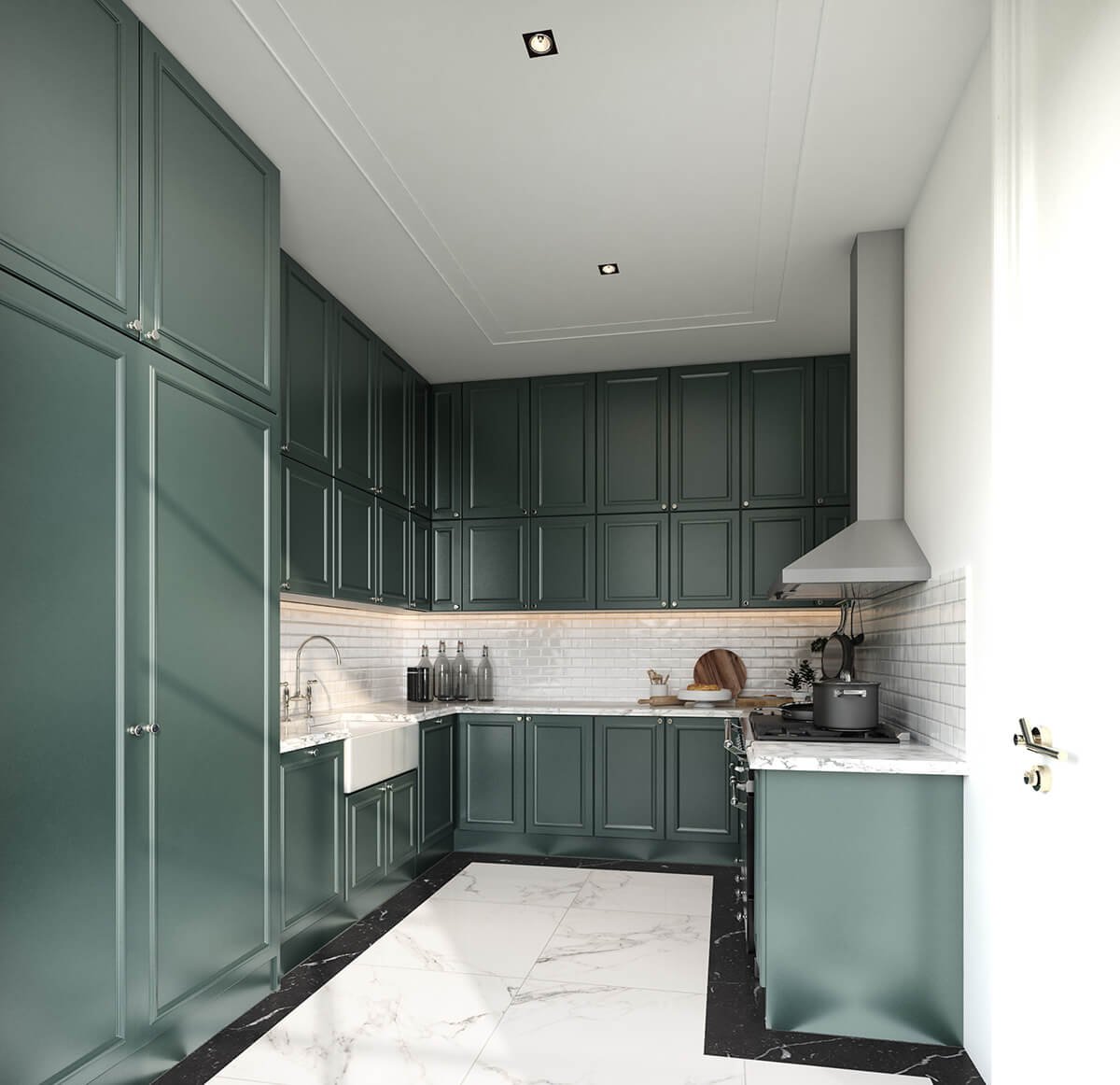
Open shelving can visually open up the kitchen while keeping everyday essentials within reach. Used selectively, it adds character without clutter.
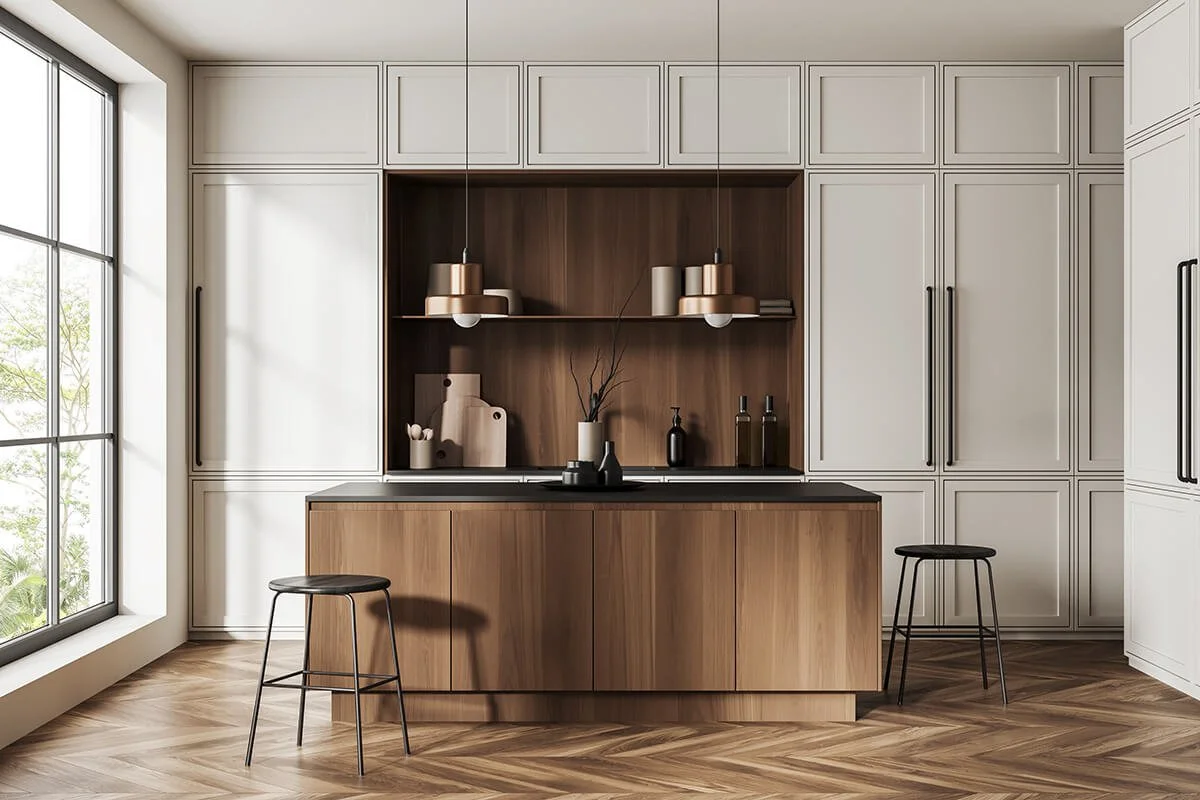
Tall pantry units or pull-out larders offer significant storage in a narrow footprint, making them a favorite for compact layouts.
For contractors, recommending ceiling-height solutions not only boosts functionality but also adds perceived value to the finished space.
2. Choose Smart Storage Solutions
Small kitchens demand thoughtful organization. Standard cabinets often fall short without internal enhancements.
Pull-out drawers and trays improve access and visibility, especially in base cabinets.
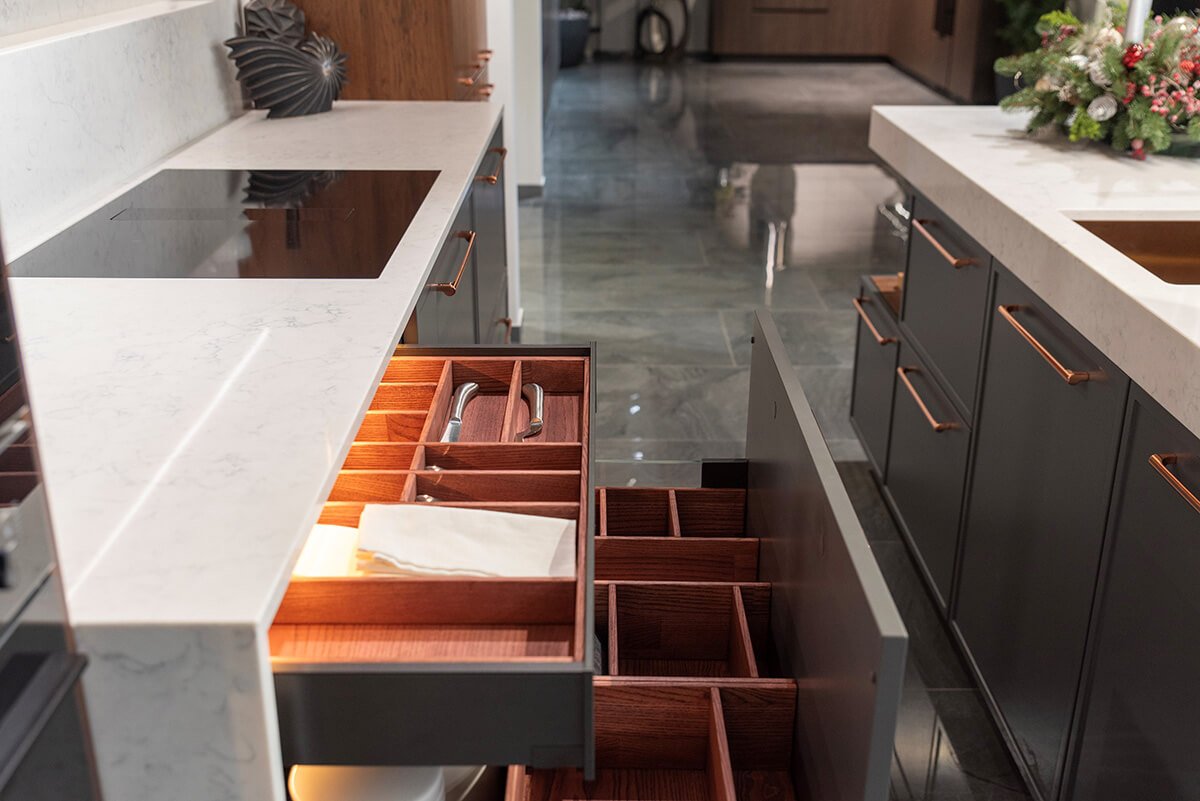
Corner solutions, such as carousel or swing-out systems, turn awkward spaces into efficient storage zones.
Integrated organizers for cutlery, spices, and waste sorting keep surfaces clear and workflows efficient.
Investing in quality hardware—soft-close hinges, durable drawer systems, and reliable mechanisms—ensures longevity and smooth performance, which both customers and contractors appreciate.
3. Opt for Multi-Functional Design
In compact kitchens, every element should work harder.
Multi-purpose islands or peninsulas can serve as prep space, dining areas, and storage units in one.
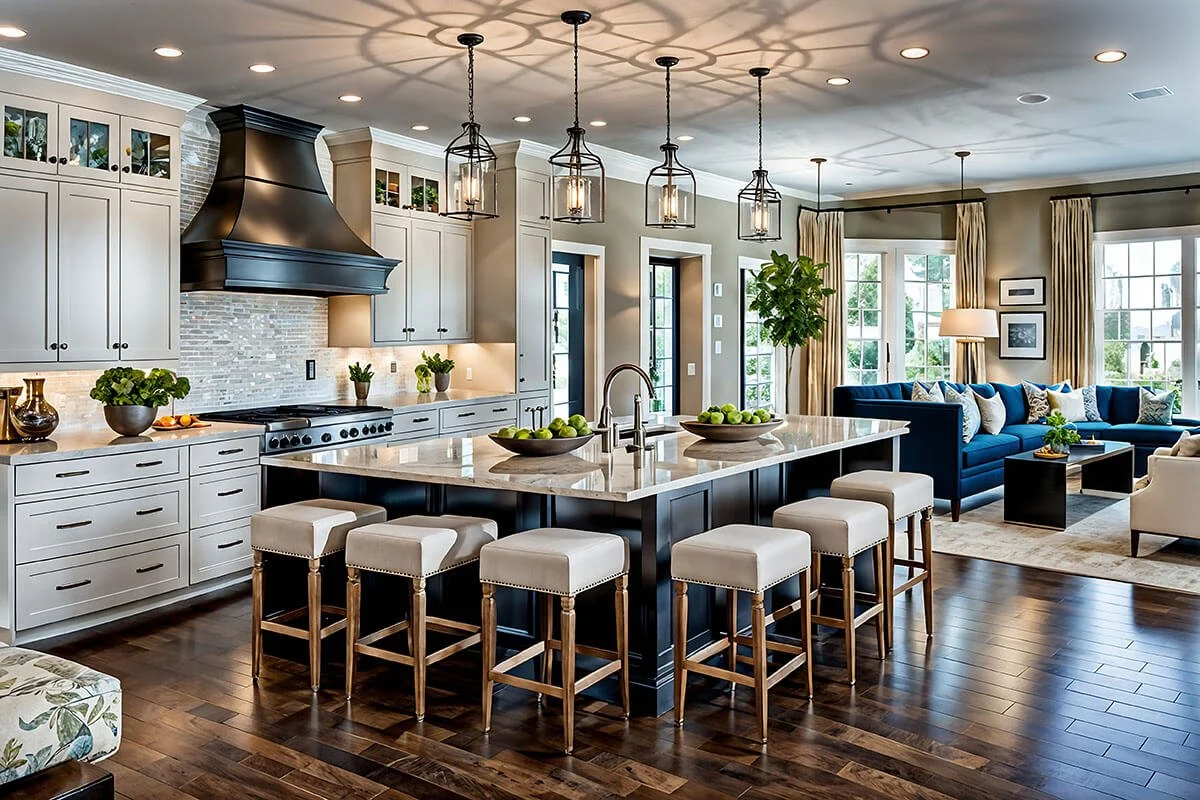
Built-in appliances, such as combination ovens or integrated dishwashers, save space while maintaining a cohesive look.
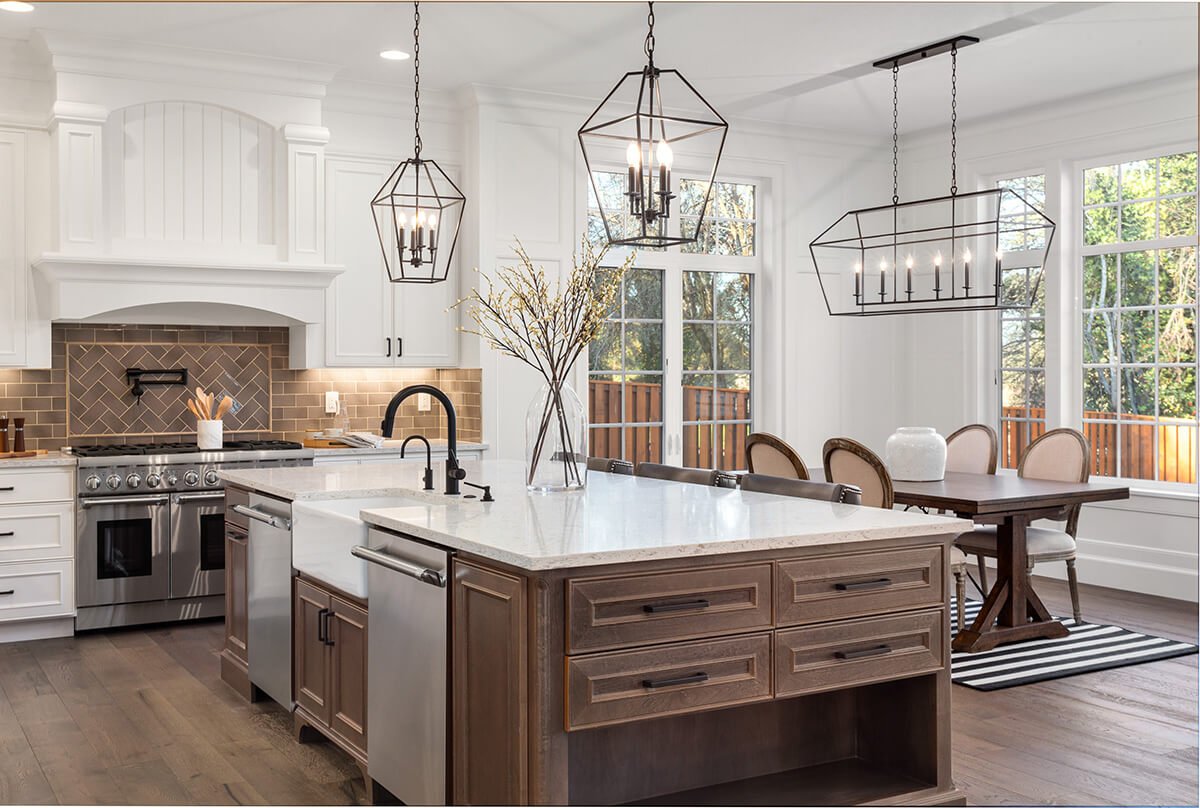
Fold-down or pull-out surfaces provide additional workspace when needed and disappear when not in use.
These features are especially valuable in apartments and townhouses, where flexibility is key.
4. Use Light and Color Strategically
Visual perception plays a major role in how a small kitchen feels.
Lighter color palettes, including whites, soft greys, and warm neutrals, reflect light and create a sense of openness.
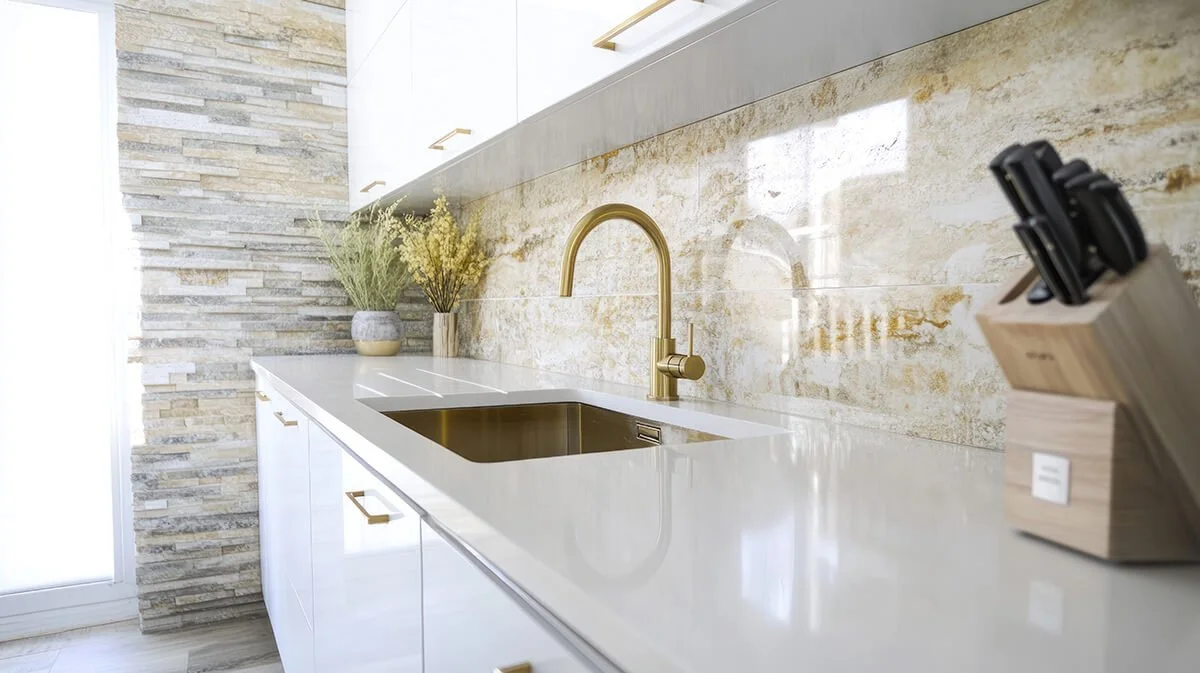
Gloss or semi-gloss finishes on cabinetry and splashbacks enhance brightness and are easy to maintain.
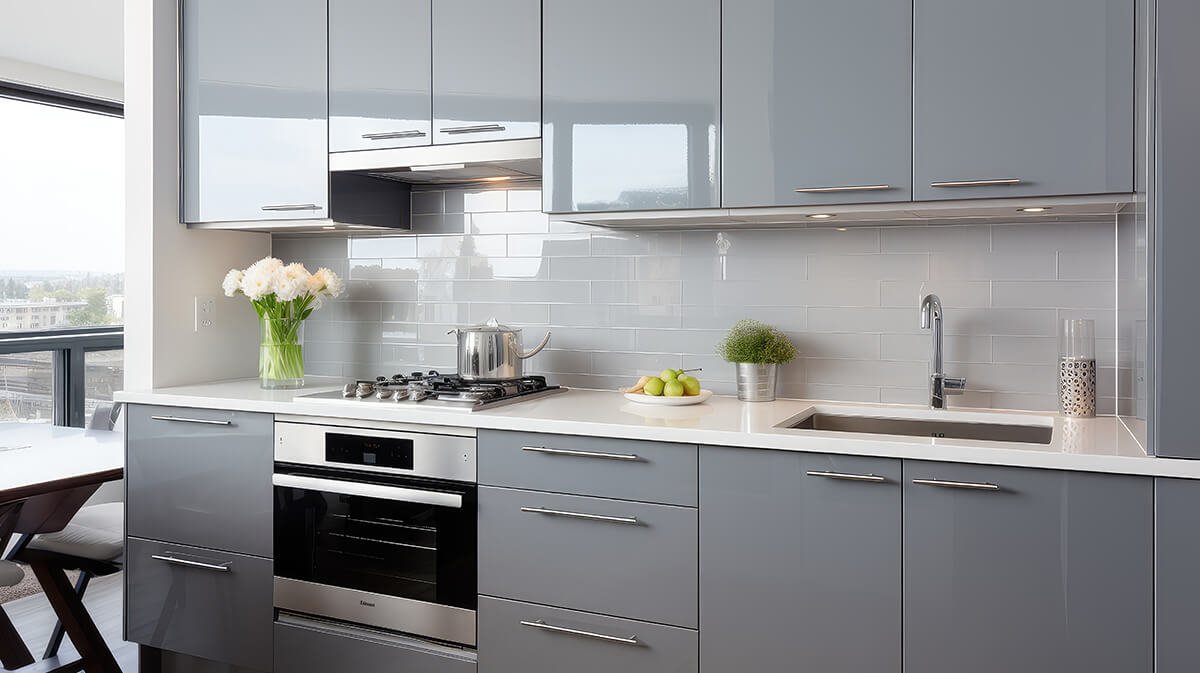
Consistent materials across cabinetry, countertops, and walls help reduce visual breaks, making the space feel larger.
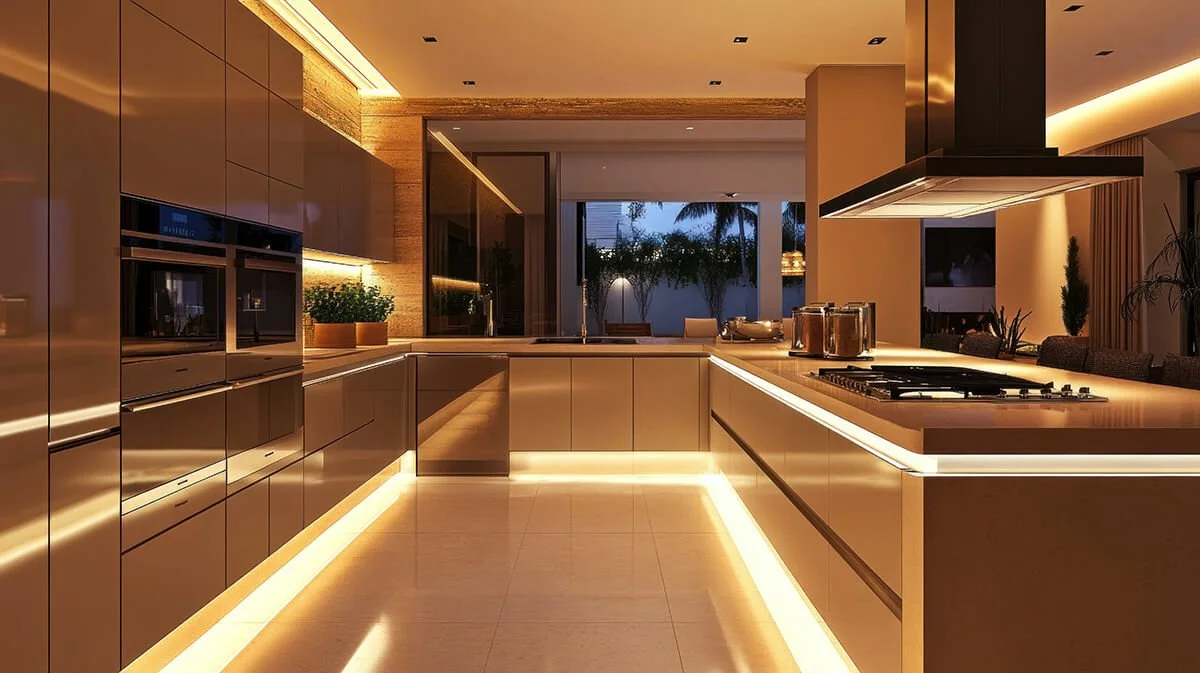
For a modern touch, subtle contrast—such as darker hardware or a textured backsplash—adds depth without overwhelming the room.
5. Prioritize Efficient Layouts
A well-planned layout is critical in compact kitchens. The goal is to minimize movement while maintaining comfort and safety.
Galley and L-shaped kitchens are often the most efficient for small spaces.
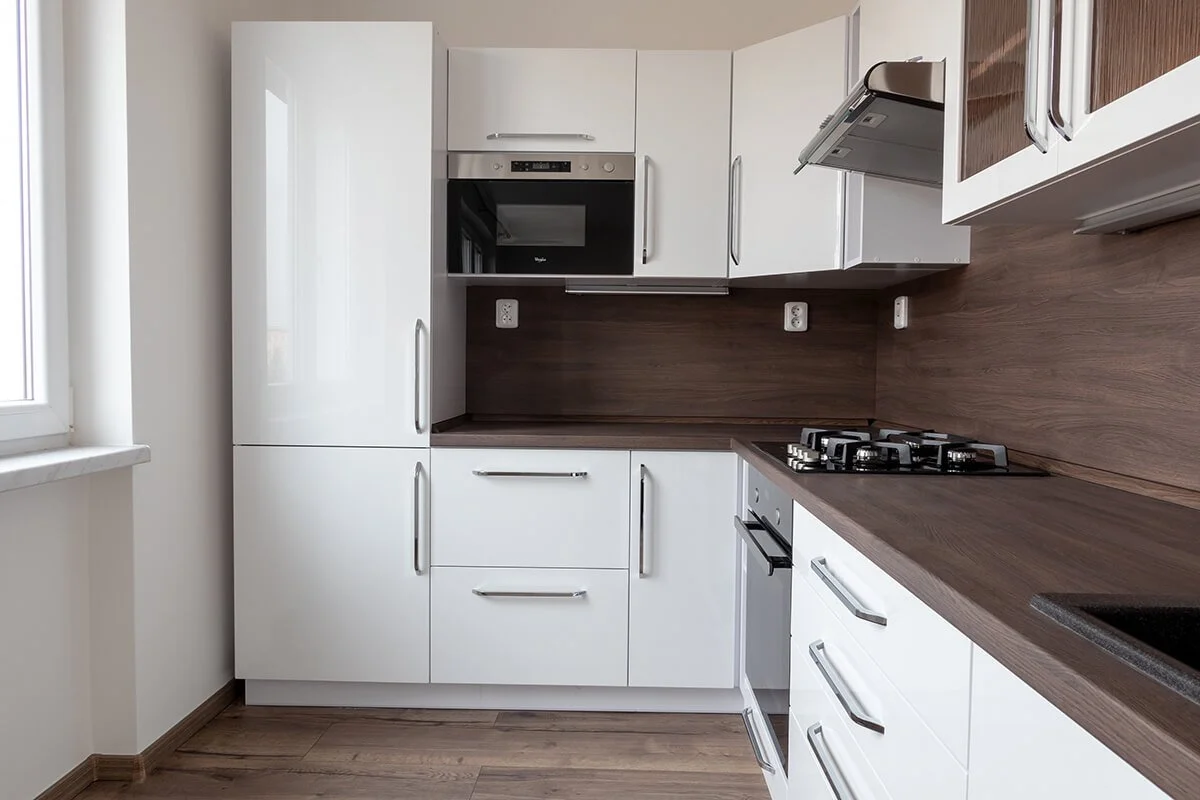
Appliance placement should support a smooth workflow between cooking, cleaning, and storage zones.
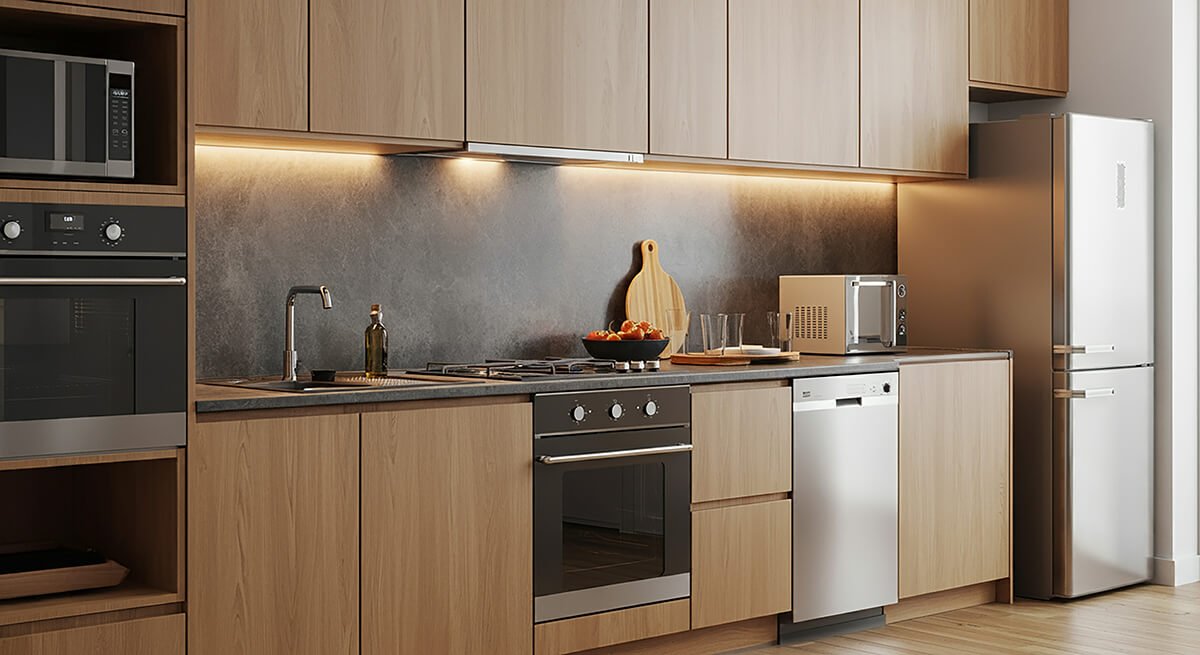
Slim-profile appliances and narrow cabinets can free up valuable inches without sacrificing performance.
Contractors can add real value by guiding clients toward layouts that balance practicality with aesthetics, rather than simply downsizing standard designs.
6. Integrate Smart Lighting
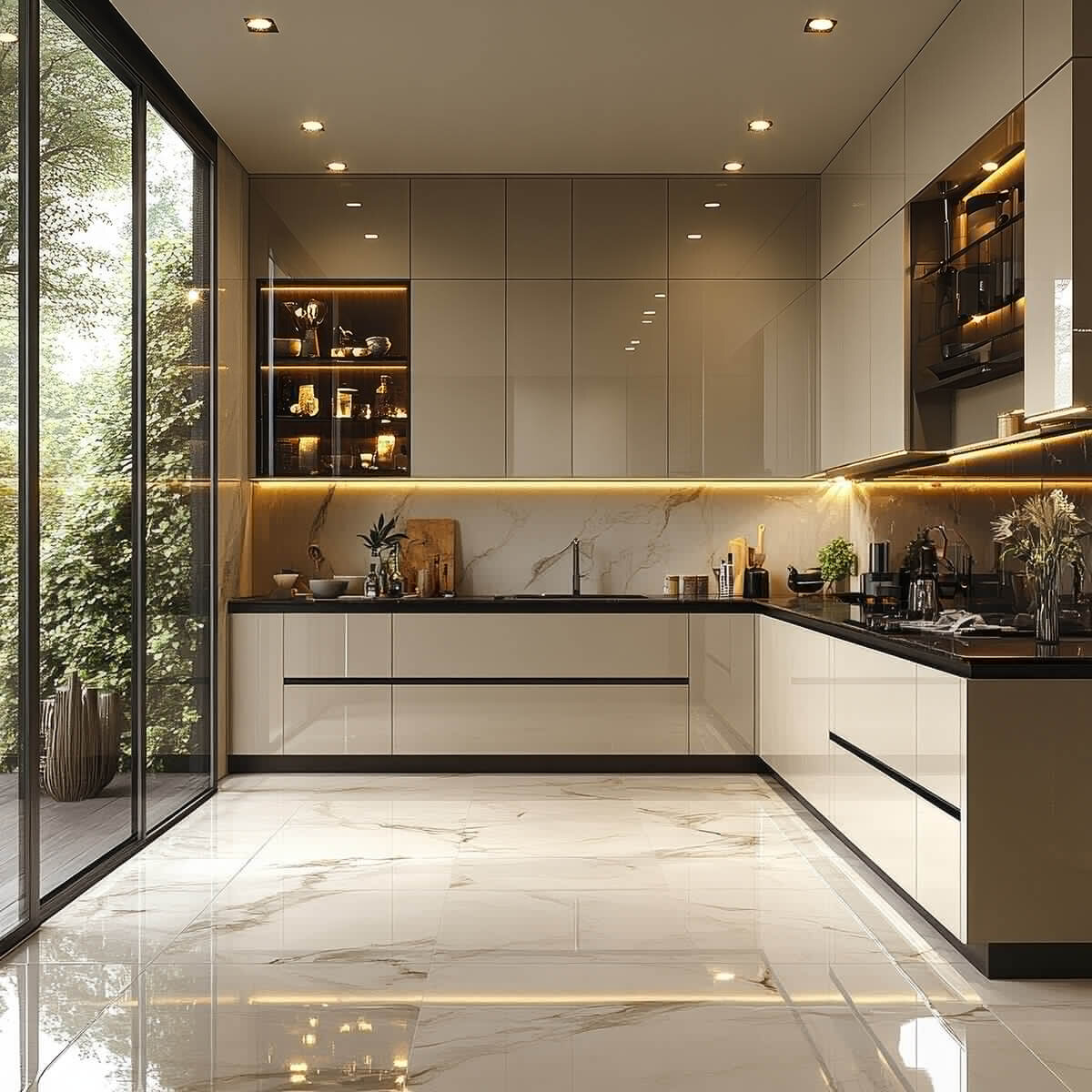
Good lighting transforms small kitchens from cramped to inviting.
Under-cabinet lighting improves task visibility and adds warmth.
Recessed ceiling lights provide even illumination without taking up visual space.
Accent lighting inside glass-front cabinets or open shelving adds depth and a premium feel.
Layered lighting not only enhances usability but also elevates the overall design.
7. Focus on Quality Materials
In smaller kitchens, every detail is more noticeable. Durable, high-quality materials ensure the space looks good and performs well over time.
Hard-wearing countertops and splashbacks withstand daily use.
Moisture-resistant cabinetry is essential in compact, high-use environments.
Reliable fittings and fixtures reduce maintenance issues and callbacks for contractors.
Choosing trusted suppliers and proven products helps deliver consistent results and customer satisfaction.
Making a Big Impact in Small Spaces
A small kitchen doesn’t have to mean compromised design or functionality. With smart planning, innovative storage, and quality materials, compact spaces can deliver exceptional performance and style.
For MBS customers and contractors alike, the key lies in thoughtful design choices and reliable solutions that maximize every square inch. When done right, a small kitchen can make a surprisingly big impact—both in daily living and long-term value.